.svg)
.svg)
.svg)

.svg)


.svg)
.svg)

.svg)






.jpg)
How to better drive growth with evergreen strategies, point-of-sale data, and artificial intelligence

Kim Jüditz

6 min Lesezeit

25. August 2026

Verbesserung mit SIDES
SIDES MCP reveals sales and product insights that were previously invisible.
Business Type
Franchise, Quick-Service
Anzahl der Filialen
75 locations
Kunde seit
2019
Genutzte Produkte
POS
Shop
Pay
Kiosk
Insights
immergrün has been a fixture in the German quick-service market for over 20 years and currently operates nearly 75 locations. With every new store, the business grows—and so does the volume of operational data. Together with SIDES, immergrün leverages this data to gain deeper insights into product sales, shopping carts, and digital ordering channels.
Many catering businesses know which products sell well. The question behind it is more difficult: Why do they work, and what decisions can be made for tomorrow based on that?
This is exactly where immergrün comes in. The franchise concept has been part of the German quick-service market for over 20 years and today stands for bowls, salads, juices, wraps, and smoothies at nearly 75 locations. With every new location, not only does the business grow, but so does the volume of data: orders, product sales, daily trends, location differences, and digital ordering channels.
For immergrün, it is therefore not enough to look at sales only in retrospect. The key is to derive concrete insights for product range, placement, ordering channels, and growth from operational data.
The challenge: seeing data, understanding connections
The larger a business becomes, the more figures are generated in day-to-day operations. The SIDES statistics tool already provides important evaluations for this: sales, order volumes, products, time periods, branches, and other key figures can be tracked in the system. For many operational questions, this is the right foundation.
However, immergrün wanted to go a step further:
[block-start:quote-banner]
"We wanted to go deeper and understand the connections that really lie behind our sales."
Mark Twiehoff, Managing Director of immergrün
[block-end:quote-banner]
This turns reporting into a more strategic question: Which products influence the shopping cart? Which placements change ordering behavior? And which assumptions from daily operations really hold up to data analysis?
What distinguishes the statistics tool from the SIDES MCP
SIDES MCP, which is currently still in the beta phase, is not a classic dashboard or a single standard module in this case. Rather, it is the technical AI foundation for making operational SIDES data usable for advanced analysis.
The difference from the statistics tool lies in its function: the statistics tool shows key figures directly in the system. It helps restaurateurs evaluate sales, products, time periods, and branches. SIDES MCP works at a deeper level. It creates the connection to make this data available for more complex analytical questions and AI-supported evaluations.
For immergrün, a data foundation was created for this purpose together with SIDES.
[block-start:quote-banner]
"Together with SIDES, we transferred our data into a Google BigQuery database. That was the starting point for deeper analysis."
Mark Twiehoff, Managing Director of immergrün
[block-end:quote-banner]
Simply put: A statistics tool tells you what happened. Advanced analysis with SIDES MCP helps you understand why it happened and what patterns can be derived from it.
A concrete example: Product placement and the shopping cart
One specific analytical approach at immergrün concerns product correlations. In the interview, Mark Twiehoff describes how deeper analysis revealed patterns that were previously unexpected.
For example: If a certain food product is given more prominent placement, it may turn out that this also increases the likelihood of another product being purchased alongside it. For day-to-day store operations, this is a crucial distinction. It is not just about which item performs well on its own, but which products create an impact when combined.
This leads to concrete decisions regarding the product range and digital ordering flows: Which products should be more visible on the self-order terminal? Which items are suitable for recommendations or menu logic? Which placements should be tested across multiple locations?
This is much more actionable than a simple bestseller list. The analysis shows not just what is being sold, but which factors can influence the shopping cart.
[block-start:quote-banner]
"We suddenly received insights into causes and effects that we hadn't expected before." Mark Twiehoff, Managing Director of immergrün
[block-end:quote-banner]
Why self-order terminals play an important role in this
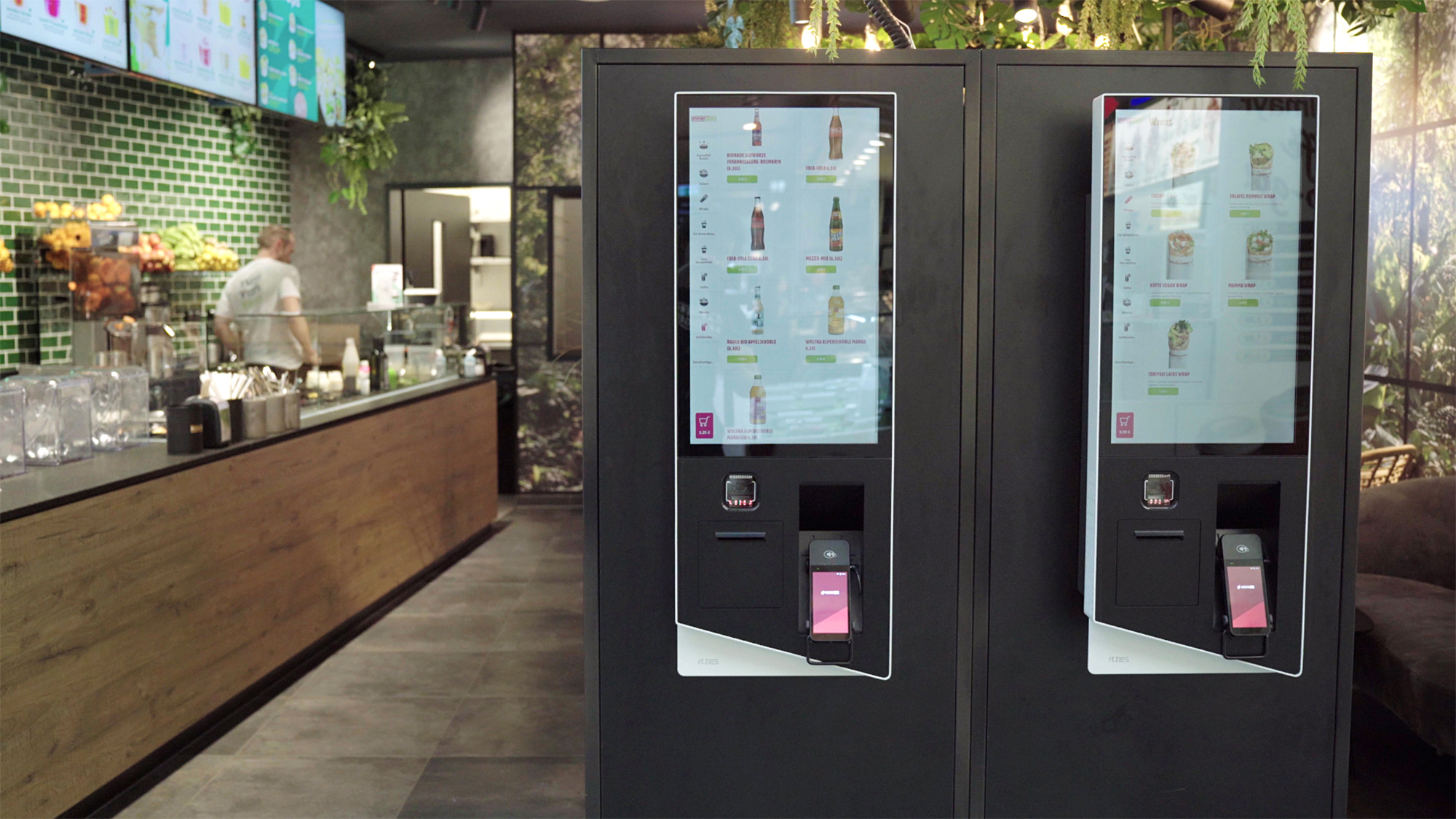
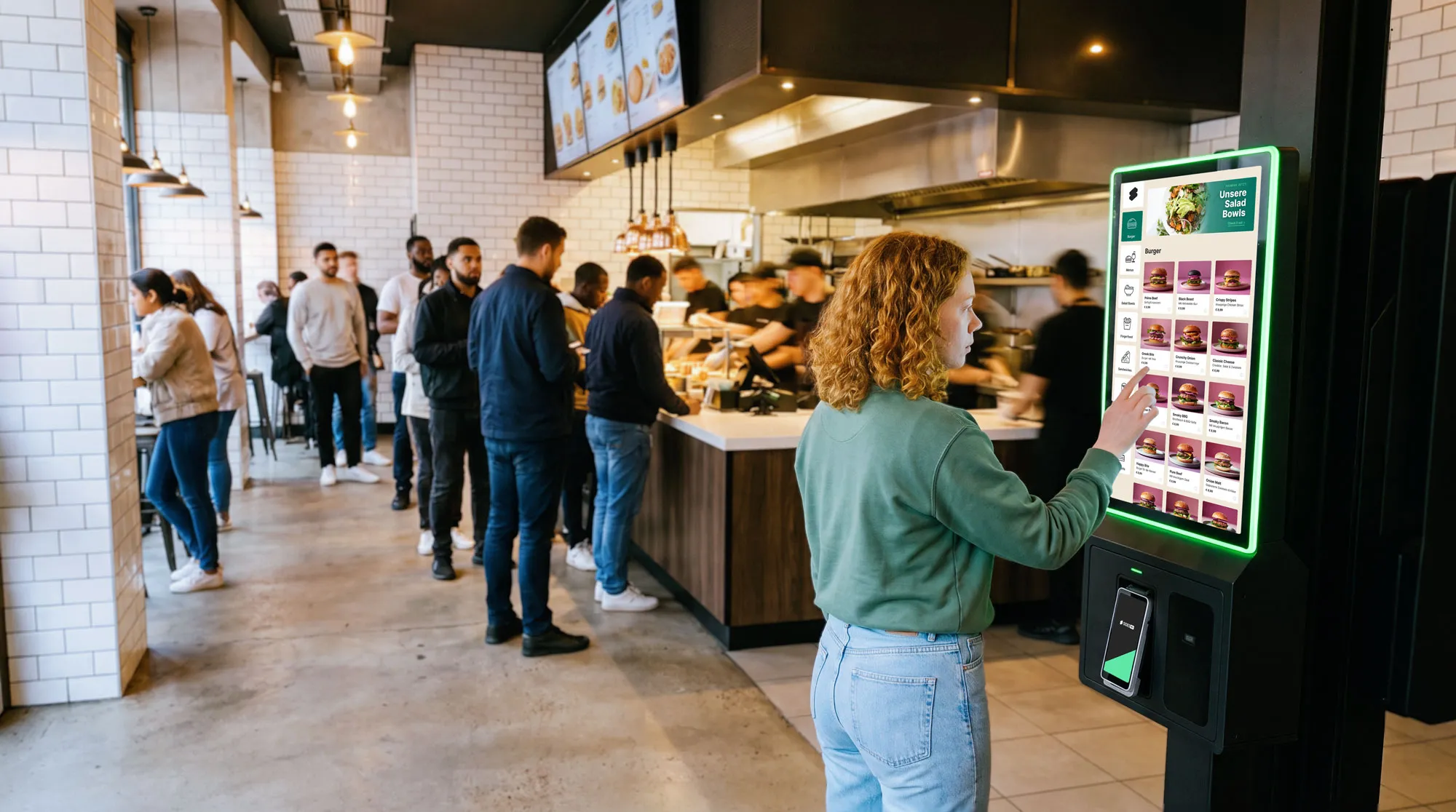
At immergrün, self-order terminals are not just an additional ordering channel; they are also a measurable touchpoint in daily store operations. According to the SIDES product overview, 35% of orders at immergrün are placed via self-order terminals.
This is relevant for analysis because digital orders provide structured data. The terminal makes it possible to track which products guests select, which extras are added, which items are particularly visible, and which ordering logic influences the shopping cart.
This means the self-order terminal is not just used operationally to take orders. It also provides clues as to how digital sales interfaces should be designed. For a franchise concept with nearly 75 locations, this is particularly valuable because successful insights are not just relevant for one store, but can be tested and further developed across all locations.
From experience to verifiable decisions
In the restaurant industry, many decisions are based on experience: Which products sell well? Which promotions are worth it? Which placement works? This experience remains important. However, with many locations, it becomes stronger when it can be verified by data.
That is precisely where the added value lies for immergrün. Deeper analysis helps to test assumptions and better substantiate operational decisions. Some factors that were considered particularly important internally turned out to be less decisive in the data analysis than expected. At the same time, correlations that were not previously in focus became apparent.
The role of data is changing: it no longer serves just as a look back at past sales, but as a foundation for decision-making in day-to-day operations.
How restaurants can leverage such analytics
For restaurant businesses, this means: if you are already working with SIDES and have multiple locations, high order volumes, or specific analytical questions, you can work with SIDES and the MCP to determine which data is worth analyzing.
The process doesn't start with "We need AI," but with a clear operational question. For example: Which products influence the shopping cart? Why do certain branches perform differently under similar conditions? Which promotions actually impact revenue or ordering behavior?
Such questions can lead to an analysis that goes far beyond standard reporting.
Looking ahead: AI as a tool for growth
For immergrün, AI is not an end in itself; the core question was: what can AI actually do for the company?
The answer lies not in a single tool, but in the combination of operational data, technical infrastructure, and specific business questions. This is exactly where SIDES MCP comes in: it creates the foundation for AI to work with relevant operational data.
Conclusion: Growth requires more than standard reporting
immergrün shows how modern restaurants can use data more effectively. The SIDES statistics tool provides key metrics for daily operations. Advanced data analysis with SIDES MCP goes a level deeper: it helps identify correlations, test assumptions, and make more data-driven decisions.
This creates a clear advantage, especially for franchise concepts and quick-service restaurants with many locations. Those who understand which products, channels, and measures are truly effective can manage growth more strategically.
Über
immergrün
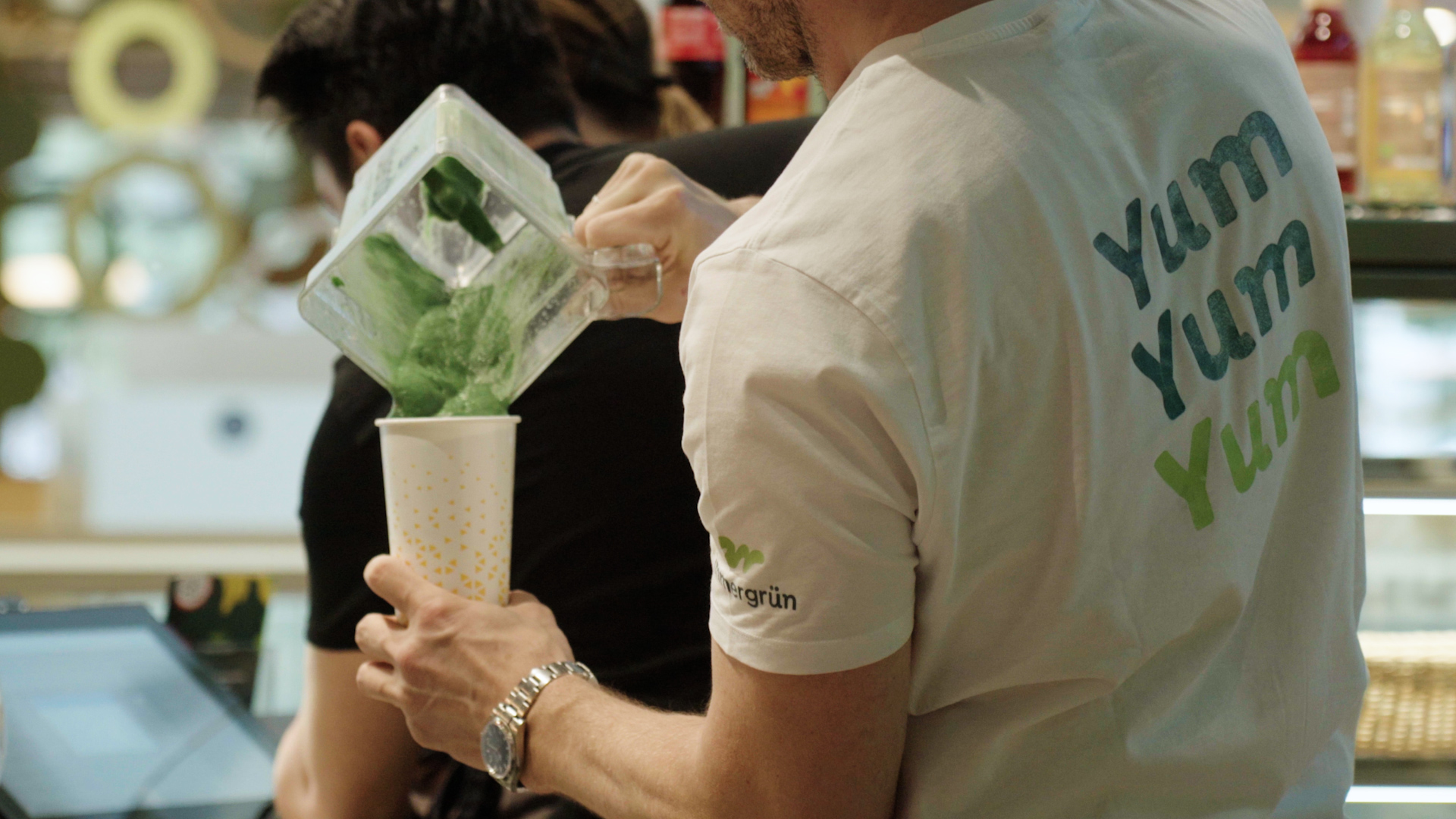
immergrün is a German franchise concept for healthy food and drinks. The brand has been a fixture in the quick-service market for over 20 years, combining bowls, salads, juices, wraps, and smoothies in a modern dining format. Today, immergrün operates nearly 75 locations across the German market and uses SIDES to analyze operational data in greater depth and drive growth through data-informed decision-making.
Auch Hunger auf Erfolg?
Mach 30 % mehr Umsatz!
Berechne in 30 Sekunden, wie viel Umsatz dir ohne Self-Order-Terminal entgeht.